Tunisian export ports: Radès vs Sfax for olive oil
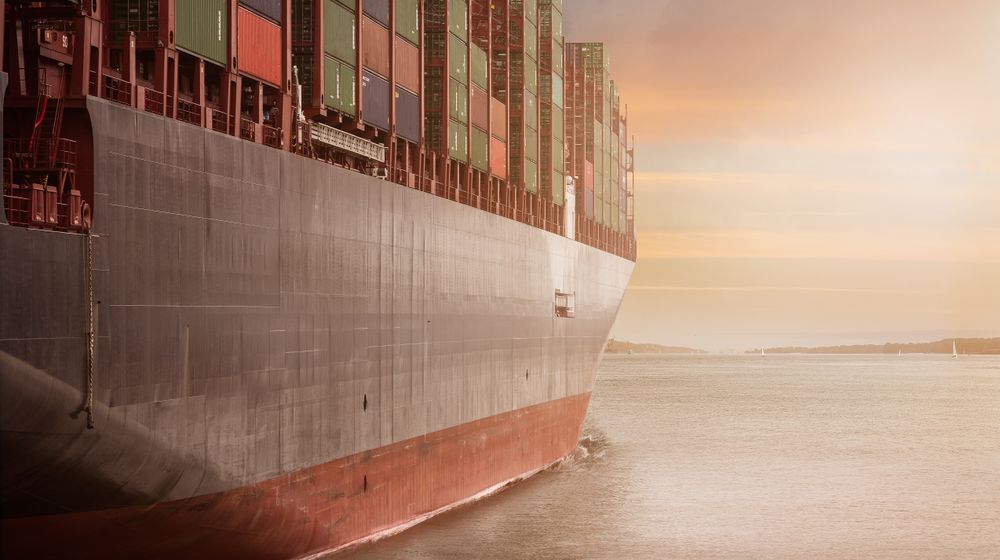 Comparison
In brief. Two ports concentrate Tunisian olive oil exports. Radès (greater Tunis) is the country's main container port: it offers the widest choice of shipping lines and connections, which makes it the benchmark for FOB Radès quotations. Sfax sits at the heart of the southern olive belt (Chemlali area): it reduces inland pre-carriage when milling is done in the region, but serves fewer direct lines. The right choice depends on your destination, your inland cost and the frequency of departures — to be confirmed with your freight forwarder.
Should you load your oil at Radès or Sfax? The question is far from trivial: it affects the cost of inland transport in Tunisia, the number of available lines, the transit time and therefore your landed cost. Let's compare the two ports from the standpoint of a buyer who wants to make their supply chain reliable.
Radès or Sfax: which one to choose for export?
Short answer: choose Radès if you want the maximum number of shipping lines, connections and departure frequency toward Europe, the Gulf or the Americas — it's the FOB benchmark. Choose Sfax if your oil is milled in the southern olive belt and you want to reduce inland pre-carriage, accepting a more limited choice of lines. The port is decided destination by destination.
The two ports are not opposites: they answer different logics. Radès optimises maritime connectivity; Sfax optimises proximity to production. The acronyms (FOB, B/L, transit, inland…) are defined in the glossary.
The Radès vs Sfax comparison table
Indicative benchmarks for bulk olive oil export. To be confirmed depending on the line, the season and the freight forwarder.
| Criterion | Radès (greater Tunis) | Sfax (South) |
|---|---|---|
| Role | Country's main container port | Regional port of the olive belt |
| Shipping lines | Numerous, more connections | More limited, more transhipments |
| Departure frequency | High | More spread out |
| Proximity to production | Depends on milling area | At the heart of the Chemlali area (South) |
| Inland pre-carriage | Longer if oil comes from the South | Reduced if oil comes from the South |
| Quotation benchmark | FOB Radès (standard) | FOB Sfax (depending on line) |
| Ideal for | Europe/Gulf/Americas, large regular flows | Loading close to southern milling |
July 2026 data, indicative, to be confirmed with your freight forwarder. Estimate the impact on your landed cost with the container loading calculator.
Key takeaway: Radès is the default choice for connectivity and frequency; Sfax becomes relevant when proximity to milling in the South more than offsets a thinner offering of lines. Always compare the full landed cost (inland + freight + transit), not just the displayed FOB price.
What really drives the choice
Three factors decide, in this order:
- The shipping line available to your destination. A direct, frequent departure from Radès can beat a Sfax option that imposes a transhipment and lengthens transit.
- The cost of inland pre-carriage. If the oil is milled near Sfax, loading there avoids road transport up to Radès. Conversely, oil from the North will more logically leave from Radès.
- The frequency and reliability of departures. A well-served port limits the wait for a slot and secures your lead times — a key point to avoid missing an order window.
Transit times and connections vary by destination: always ask for the quantified transit time for each quotation. The ports and transit guide details the usual connections.
Buyer's tip: don't think "closest port = cheapest." A poorly served port can cost more in transhipment, waiting and delay than a more distant but better-connected one.
Port and incoterm: pinning down the offer
The port is inseparable from the incoterm. A "FOB" quotation without a port is ambiguous: always write "FOB Radès" or "FOB Sfax," and specify the Incoterms® version (2020). The chosen port drives freight and transit; it must appear in black and white in the offer and the bill of lading (B/L) — see the incoterms guide.
The classic mistake
Locking in a port out of habit without matching it to the destination. Always loading at Sfax because it's "olive country" can lengthen transit if no direct line serves your market; always loading at Radès for southern oil adds unnecessary road transport. The right reflex: arbitrate port by port, order by order, comparing the real landed cost and transit.
FAQ
What is Tunisia's main olive oil export port?
Radès (greater Tunis) is the country's main container port and the benchmark for FOB Radès quotations. It offers the widest choice of shipping lines and connections toward Europe, the Gulf and beyond. Sfax comes as a complement, closest to the southern olive belt.
Why load at Sfax rather than Radès?
Because Sfax is at the heart of the southern olive belt (Chemlali): if your oil is milled there, loading at Sfax reduces inland pre-carriage. In return, the offering of direct lines is more limited and may impose a transhipment — to be arbitrated depending on the destination.
Radès or Sfax: which is cheaper?
It depends on your destination and the milling area. Radès offers more lines and frequency; Sfax reduces inland transport if the oil comes from the South. Compare the full landed cost (inland + freight + transit), not just the FOB price. A poorly served port can cost more in transhipment.
Does the choice of port change the transit time?
Yes. A well-served port like Radès often offers direct, frequent departures, whereas a more regional port may impose a transhipment that lengthens transit. Always ask for the quantified transit time for each quotation and each port.
Should you specify the port in a FOB quotation?
Yes, always. Write "FOB Radès" or "FOB Sfax," never just "FOB," and indicate the Incoterms® version (2020). An implicit port is a source of dispute, re-quoting and errors on the bill of lading. See the incoterms guide.
Which documents accompany the shipment regardless of the port?
Commercial invoice, packing list, bill of lading (B/L), EUR.1 for the 0% within the EU quota, COA per batch and phytosanitary certificate. The file is identical whatever the port; it must be completed before loading to avoid demurrage on arrival.
Not sure yet which port to ship your oil from? Request a free quote: we quote FOB Radès or FOB Sfax depending on your destination, with the detail of pre-carriage and transit. Go further with the ports and transit guide, the sea freight guide and the container loading calculator.
July 2026 data, indicative and to be re-checked before any commitment. Sources: Tunisian port configuration (Radès, Sfax), container sea freight logistics practices, Incoterms 2020.
- Sea Transport of Bulk Olive Oil: The Guide
- Olive Oil Transport Insurance: Who Pays, How Much?
- Certificate of origin and EUR.1: what is it for?
- The bill of lading (B/L): receipt, contract and title
- DDP Sales: What the Exporter Takes On
- Export Lead Times and Demurrage: Avoiding Bad Surprises