Chetoui Olive Oil: the Pungent, High-Polyphenol Variety of the North
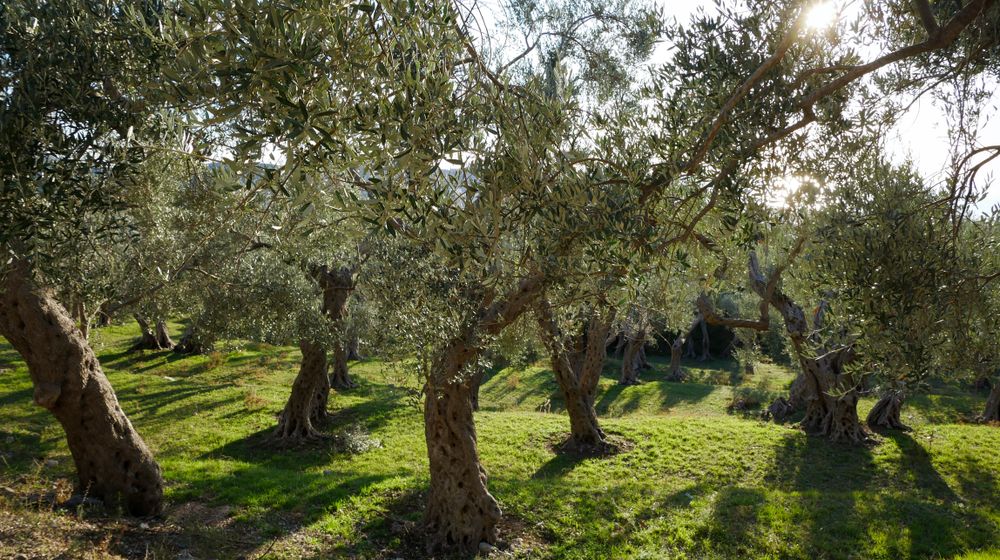 Article
What is the Chetoui variety?
Chetoui is the second major Tunisian olive variety, grown in the North of the country, notably around Béja. It yields a pungent, bitter and intense extra virgin olive oil, and above all one that is high in polyphenols: its lots frequently exceed 250 mg/kg, the threshold required for the EFSA health claim (EU Regulation 432/2012). It is the Tunisian variety for premium and health positioning.
Thanks to its high phenolic-compound content, Chetoui also offers excellent shelf life (good oxidation stability). At Zitouna Export, it is supplied in flexitank, IBC or drums ex Radès/Sfax, with a certificate of analysis (COA) per lot, including polyphenol testing on request.
High polyphenols & the EFSA health claim
Chetoui often exceeds 250 mg/kg of polyphenols
Short answer: the EFSA health claim authorised by EU Regulation 432/2012 — "olive oil polyphenols contribute to the protection of blood lipids from oxidative stress" — requires at least 250 mg/kg of hydroxytyrosol and its derivatives. Chetoui, a pungent and bitter oil, frequently exceeds this threshold, making it eligible for this value-adding claim.
In practice, this allows a bottler or brand builder to feature a regulated health claim on their label — a strong differentiation argument on premium and "health/wellness" markets. Eligibility must be confirmed lot by lot via polyphenol testing at COA.
The exact polyphenol level depends on the lot, the maturity at harvest and the campaign. Check eligibility with our COA quality classifier.
Organoleptic profile of Chetoui oil
Chetoui is the aromatic opposite of Chemlali: a powerful oil, marked by pungency and bitterness, appreciated by connoisseurs and by markets that value intensity and the taste-health link.
| Sensory attribute | Chetoui intensity | Comment |
|---|---|---|
| Fruitiness | Medium to high, green | Notes of fresh grass, artichoke, green fruit |
| Pungency (peppery) | High | Clear pepperiness at the throat, a sign of polyphenols |
| Bitterness | Medium to high | Frank bitterness, sought after in premium |
| Stability / shelf life | High | Polyphenols = good resistance to oxidation |
| Colour | Green to golden-green | Rather early harvest |
Indicative sensory profile: each lot varies with the terroir, maturity and campaign. The COA panel is authoritative. Compare varieties with our variety selector.
Region, harvest and terroir
- Production region: northern Tunisia, notably the Béja basin (a more humid and cooler climate than the Chemlali South).
- Harvest (olive campaign): rather early, in autumn (often October–December depending on maturity). An early harvest favours polyphenols and green fruitiness.
- Shelf life: its richness in polyphenols gives Chetoui better stability over time than mild oils — a logistical asset for long export transits.
- Organic: like the whole Tunisian grove, Chetoui lends itself well to organic production.
Typical acidity and quality parameters
On cold extraction of sound olives, Chetoui gives an extra virgin oil compliant with the IOC/T.15/NC standard and EU regulations.
| Parameter | EVOO threshold (IOC/EU) | Chetoui (typical) |
|---|---|---|
| Free acidity (% oleic acid) | ≤ 0.80% | 0.2 – 0.5% |
| Peroxide value (mEq O₂/kg) | ≤ 20 | 8 – 13 |
| K232 | ≤ 2.50 | ≤ 2.20 |
| K270 | ≤ 0.22 | ≤ 0.18 |
| Sensory panel | Md = 0, Mf > 0 | Md = 0, green fruitiness, marked pungency/bitterness |
| Polyphenols | — (EFSA claim ≥ 250 mg/kg) | often ≥ 250 mg/kg — up to 500+ |
Uses & target markets
Chetoui's intense profile and phenolic richness make it ideal for high-value-added positioning:
- Premium brand builders / private label — EFSA health claim, "polyphenol" storytelling (see private label).
- Wellness / health markets — United States, Northern Europe, the Gulf, where the polyphenol argument resonates.
- Bottlers / premium private label — the high-end segment of a range.
- Blends — bringing character, polyphenols and stability to a milder Chemlali base.
- Fine-dining HORECA — finishing dishes, tasting oils.
Compare with the world's great high-polyphenol varieties (Koroneiki, Coratina) on our world varieties comparison.
Typical COA — Chetoui olive oil
Each lot is analysed by an IOC-accredited laboratory (ONH analysis mandatory for Tunisian export) and delivered with its COA. Typical extract of a Chetoui extra virgin high in polyphenols:
LOT: ZE-CHET-2026-XX Variety: Chetoui (North/Béja)
Free acidity........... 0.28% (EVOO ≤ 0.80%)
Peroxide value......... 9 mEq (≤ 20)
K232................... 2.00 (≤ 2.50)
K270................... 0.14 (≤ 0.22)
Panel: Md = 0 · Mf > 0 → Category: EXTRA VIRGIN
Polyphenols............ 340 mg/kg (EFSA ≥ 250: YES)
Profile: green fruitiness, high pungency, marked bitterness
Indicative values, specific to each lot. The COA of the delivered lot is authoritative. Confirm EFSA eligibility with the COA quality classifier.
FAQ — Chetoui olive oil
What is Chetoui olive oil?
Chetoui is the second major Tunisian olive variety, grown in the North (Béja region). It yields a pungent, bitter extra virgin olive oil high in polyphenols, often ≥ 250 mg/kg, which makes it eligible for the EFSA health claim.
Is Chetoui eligible for the EFSA health claim?
Yes, frequently. The claim (EU Regulation 432/2012) requires ≥ 250 mg/kg of polyphenols (hydroxytyrosol and derivatives). Chetoui often exceeds this threshold. Eligibility is confirmed lot by lot via polyphenol testing at COA.
Why is Chetoui high in polyphenols?
Because it is a pungent and bitter variety: pungency and bitterness are the sensory markers of phenolic compounds. An early harvest in northern Tunisia further enhances this richness.
What does Chetoui oil taste like?
A green fruitiness (fresh grass, artichoke), high pungency (pepperiness at the throat) and frank bitterness. It is an intense oil, sought after for premium positioning and by lovers of characterful oils.
Chetoui or Chemlali: which to choose?
Chetoui for an intense, bitter profile high in polyphenols and eligible for the EFSA claim (premium/health); Chemlali for a mild, fluid, mainstream profile and a better price by volume. A blend combines character and mildness.
Does Chetoui keep better?
Yes. Its high polyphenol content gives it better oxidation stability, hence longer shelf life than mild oils — an asset for long maritime export transits.
Where is Chetoui grown?
In northern Tunisia, mainly around Béja, under a cooler and more humid climate than the South (Chemlali zone). This terroir favours its green profile and its polyphenols.
What is Chetoui's typical acidity?
On sound olives and cold extraction, free acidity is typically between 0.2 and 0.5%, below the extra virgin threshold of 0.80%. Each lot is checked at COA.
Is Chetoui available organic?
Yes. The Tunisian grove lends itself well to organic production. Our Chetoui is available organic certified by Ecocert (EU 2018/848), USDA NOP and EU Organic. See organic olive oil in bulk.
In which bulk formats do you deliver Chetoui?
In flexitank (~22,000 L), IBC (1,000 L) or drums (~200 L), up to a full container. Indicative MOQ: 1 flexitank, 2 IBC or 10 drums. Polyphenol testing is provided at COA on request.
What is the price of bulk Chetoui olive oil?
The bulk price at Tunisian origin starts around 3.80 €/kg FOB; a premium Chetoui high in polyphenols may be quoted above this depending on content and lot. Request a dated quote.
Can I get a Chetoui sample with its polyphenol level?
Yes. We provide a reference sample together with its COA, polyphenol testing included on request, to validate EFSA eligibility before ordering.
Request your bulk Chetoui quote
Volume, format (flexitank/IBC/drum), incoterm, destination market, polyphenol/EFSA requirement, organic or conventional: tell us your needs and we will send you a dated quote and a reference sample with its COA (polyphenols included).
Request a quote — drawer pre-filled with "Chetoui variety (high polyphenols)".
Variety selector: torn between Chetoui, Chemlali, Oueslati and Sahli? Use our variety selector.
Lead magnet: download our Guide to Tunisian Olive Varieties (profiles, polyphenols, EFSA claim, uses, prices).
- Oueslati Olive Oil: Balanced & Award-Winning | Zitouna
- Sahli Olive Oil: the Southern Tunisian Variety | Zitouna
- Bulk Virgin Olive Oil | Zitouna Export
- Bulk Extra Virgin Olive Oil | Zitouna Export
- Olive Oil Export Formats: Flexitank, IBC, Drum | Zitouna
- Flexitank Olive Oil: ~22,000 L in bulk | Zitouna