Chemlali Olive Oil: the Mild, Fruity Variety of Southern
 Article
What is the Chemlali variety?
Chemlali is the dominant olive variety in Tunisia: it accounts for roughly 80% of the national grove and is concentrated in the South, around Sfax. It yields a mild, fruity and fluid extra virgin olive oil, with light pungency and bitterness — a mainstream, very approachable profile on the palate. It is the reference Tunisian oil for bulk export.
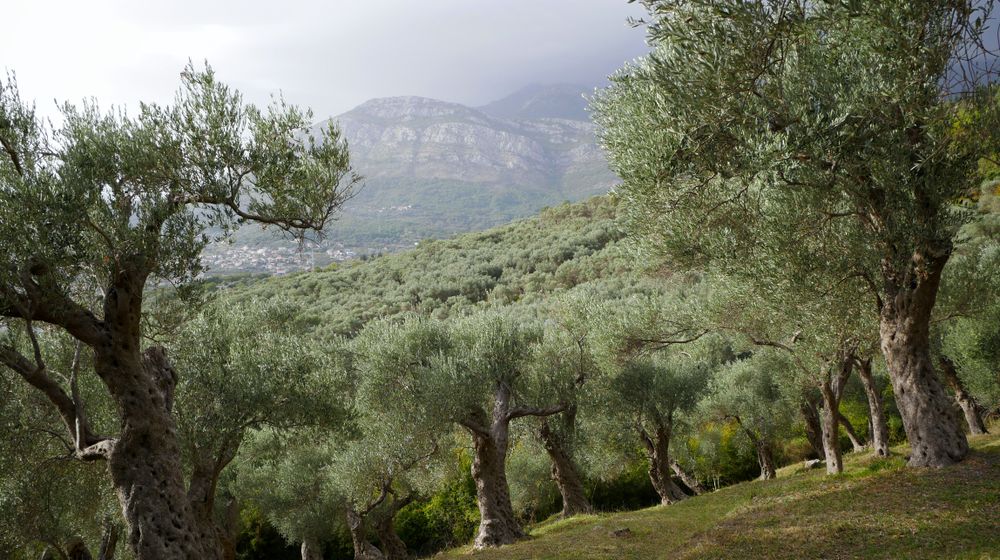
Grown on often century-old olive groves, under low-intensity management and an arid climate that limits pest pressure, Chemlali is the backbone of the Tunisian olive sector. At Zitouna Export, it is supplied in flexitank, IBC or drums ex Sfax/Radès, with a certificate of analysis (COA) per lot.
Organoleptic profile of Chemlali oil
Chemlali's sensory profile is what explains its export success: an oil balanced toward mildness, easy to integrate into a mainstream range, in everyday cooking as in re-bottling under a brand.
| Sensory attribute | Chemlali intensity | Comment |
|---|---|---|
| Fruitiness | Medium, rather ripe | Notes of sweet almond, ripe fruit, sometimes floral |
| Pungency (peppery) | Low to medium | Discreet, not aggressive at the back of the throat |
| Bitterness | Low | Very well tolerated by the general public |
| Fluidity / texture | High (fluid oil) | Easy to work with for dressing and cooking |
| Colour | Golden-yellow to golden-green | Depending on maturity at harvest |
Indicative sensory profile: each lot varies with the terroir, maturity and campaign. The COA panel is authoritative. Compare varieties with our variety selector.
Against Chetoui (pungent, bitter, high in polyphenols) or Oueslati (balanced, award-winning), Chemlali stands out for its roundness and mildness: it is the variety of volume and aromatic consensus.
Region, harvest and terroir
- Production region: southern Tunisia, mainly the Sfax basin (also the southern coastal strip). This is the country's most extensive olive-growing area.
- Share of the grove: ~80% of Tunisian olive trees — hence its availability in large volumes.
- Harvest (olive campaign): between autumn and winter (generally November to January depending on maturity and zone). The best, freshest lots are reserved at the start of the campaign.
- Management: extensive, low-intensity olive groves, arid climate favourable to minimal treatments — a terroir naturally suited to organic.
Typical acidity and polyphenols
On sound olives and cold extraction, Chemlali produces an extra virgin olive oil compliant with the IOC/T.15/NC trade standard and EU regulations.
| Parameter | EVOO threshold (IOC/EU) | Chemlali (typical) |
|---|---|---|
| Free acidity (% oleic acid) | ≤ 0.80% | 0.2 – 0.5% |
| Peroxide value (mEq O₂/kg) | ≤ 20 | 8 – 14 |
| K232 | ≤ 2.50 | ≤ 2.20 |
| K270 | ≤ 0.22 | ≤ 0.18 |
| Sensory panel | Md = 0, Mf > 0 | Md = 0, ripe fruitiness present |
| Polyphenols | — (EFSA claim ≥ 250 mg/kg) | moderate, often < 250 mg/kg |
Chemlali and polyphenols: what to know
Chemlali is a mild oil, which goes hand in hand with a generally moderate polyphenol content — often below the 250 mg/kg threshold required for the EFSA health claim (EU Regulation 432/2012). This is a logical varietal characteristic: less pungency and bitterness mean fewer phenolic compounds.
If your positioning targets the health claim or a "high-polyphenol" profile, turn to Chetoui, which frequently exceeds 250 mg/kg. Chemlali, on the other hand, wins on mildness, volume and price. A Chemlali/Chetoui blend also lets you adjust both taste and polyphenol content.
Uses & target markets
Chemlali's mild, fluid profile makes it a versatile oil, particularly suited to volume markets:
- Bottlers / packers — an ideal base for a mainstream range or an accessible private label.
- Importers, distributors, wholesalers — volume supply at the best price.
- Brand builders / private label — a consensual profile that pleases the widest audience (see private label).
- HORECA & food service — everyday cooking, dressing, frying.
- Food industry — a fluid, defect-free olive oil ingredient.
Markets served: Spain and Italy (bulk trading and re-bottling), United States (private label), France, Canada/Quebec, the Gulf. Compare origins and varieties on our world varieties comparison.
Typical COA — Chemlali olive oil
Each lot is analysed by an IOC-accredited laboratory (ONH analysis mandatory for Tunisian export) and delivered with its certificate of analysis. Typical extract of a Chemlali extra virgin:
LOT: ZE-CHEM-2026-XX Variety: Chemlali (South/Sfax)
Free acidity........... 0.34% (EVOO ≤ 0.80%)
Peroxide value......... 10 mEq (≤ 20)
K232................... 2.05 (≤ 2.50)
K270................... 0.15 (≤ 0.22)
Panel: Md = 0 · Mf > 0 → Category: EXTRA VIRGIN
Polyphenols............ ~180 mg/kg (EFSA ≥ 250: NO)
Profile: mild/ripe fruitiness, low pungency, low bitterness
Indicative values, specific to each lot. The COA of the delivered lot is authoritative. Interpret your own report with the COA quality classifier.
FAQ — Chemlali olive oil
What is Chemlali olive oil?
Chemlali is the main olive variety in Tunisia (roughly 80% of the grove), grown in the South, around Sfax. It yields a mild, fruity and fluid extra virgin olive oil with light pungency and bitterness, prized for bulk export and mainstream ranges.
What does Chemlali olive oil taste like?
A rather ripe and mild fruitiness (sweet almond, ripe fruit), low to medium pungency and discreet bitterness. It is a round, fluid and very approachable oil, the opposite of intense, bitter oils such as Chetoui.
Where is Chemlali grown?
Mainly in southern Tunisia, around Sfax, on the country's most extensive olive groves. Its wide presence explains its availability in large volumes for bulk export.
What is Chemlali's typical acidity?
On sound olives and cold extraction, free acidity is typically between 0.2 and 0.5%, well below the extra virgin threshold of 0.80%. Each lot is checked at COA.
Is Chemlali high in polyphenols?
No, not particularly. Being a mild oil, its polyphenol content is moderate and often below 250 mg/kg, the EFSA health-claim threshold. For high polyphenols, choose Chetoui instead.
Chemlali or Chetoui: which to choose?
Chemlali for a mild, fluid, mainstream profile and a better price by volume; Chetoui for an intense, bitter profile high in polyphenols (EFSA-eligible). A blend of the two lets you adjust taste and phenolic content.
Is Chemlali available organic?
Yes. The arid terroir of southern Tunisia is naturally suited to organic (low pest pressure). Our Chemlali is available organic certified by Ecocert (EU 2018/848), USDA NOP and EU Organic. See organic olive oil in bulk.
In which bulk formats do you deliver Chemlali?
In flexitank (~22,000 L), IBC (1,000 L) or drums (~200 L), up to a full container. Flexitank is 2 to 3 times cheaper per tonne than IBC. Indicative MOQ: 1 flexitank, 2 IBC or 10 drums.
What is the price of bulk Chemlali olive oil?
The bulk price at Tunisian origin starts around 3.80 €/kg FOB, depending on variety, volume, incoterm and olive campaign. Request a dated quote.
Is Chemlali suitable for cooking?
Yes. Its fluidity and mild fruitiness make it a versatile oil, both for raw dressing and everyday cooking. This is an asset for mainstream markets and food service.
When is Chemlali harvested?
During the olive campaign, generally from November to January depending on maturity and the southern zone. The freshest lots and best prices are reserved at the start of the campaign.
Can I get a Chemlali sample before ordering?
Yes. We provide a reference sample together with its COA. It serves as a contractual basis to compare quality on arrival and avoid any dispute.
Request your bulk Chemlali quote
Volume, format (flexitank/IBC/drum), incoterm, destination market, organic or conventional: tell us your needs and we will send you a dated quote and a reference sample with its COA.
Request a quote — drawer pre-filled with "Chemlali variety".
Variety selector: torn between Chemlali, Chetoui, Oueslati and Sahli? Use our variety selector to find the profile suited to your market.
Lead magnet: download our Guide to Tunisian Olive Varieties (profiles, polyphenols, uses, prices).
- Chetoui Olive Oil: High Polyphenols & EFSA | Zitouna
- Oueslati Olive Oil: Balanced & Award-Winning | Zitouna
- Sahli Olive Oil: the Southern Tunisian Variety | Zitouna
- Bulk Virgin Olive Oil | Zitouna Export
- Bulk Extra Virgin Olive Oil | Zitouna Export
- Olive Oil Export Formats: Flexitank, IBC, Drum | Zitouna